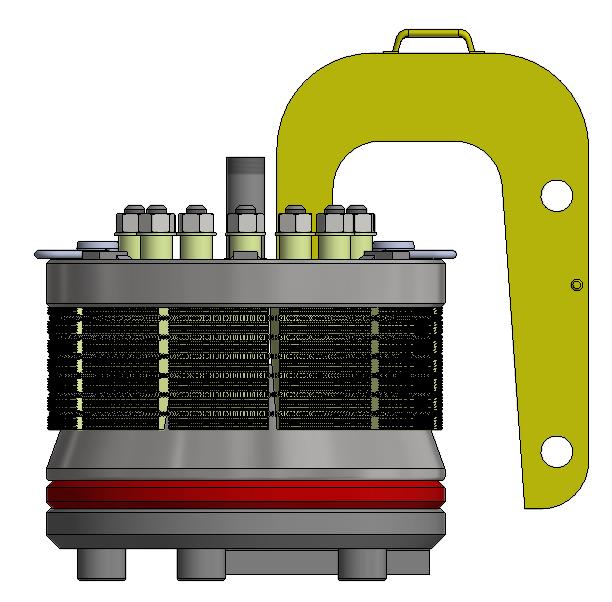
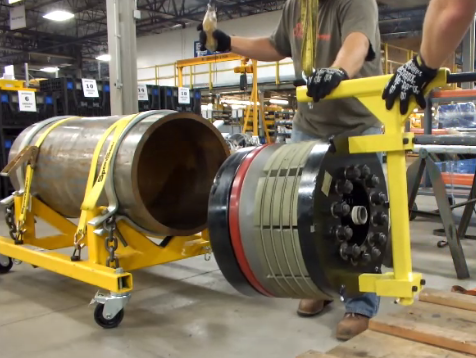
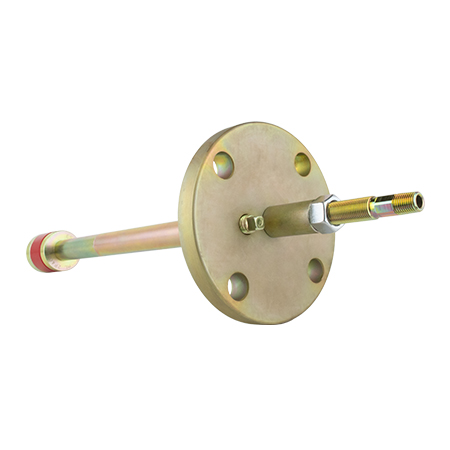
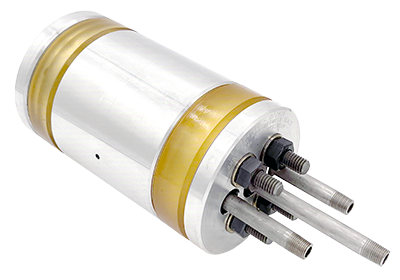
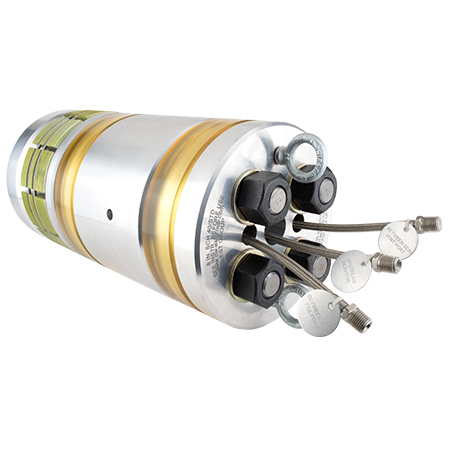
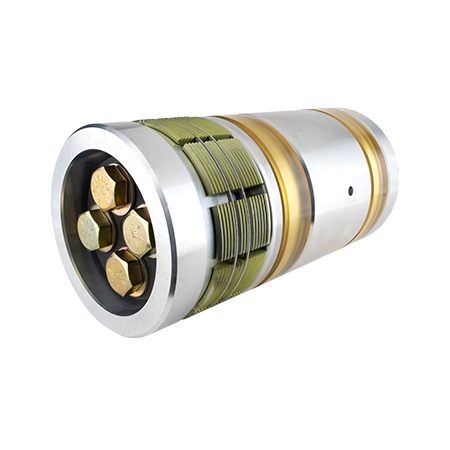
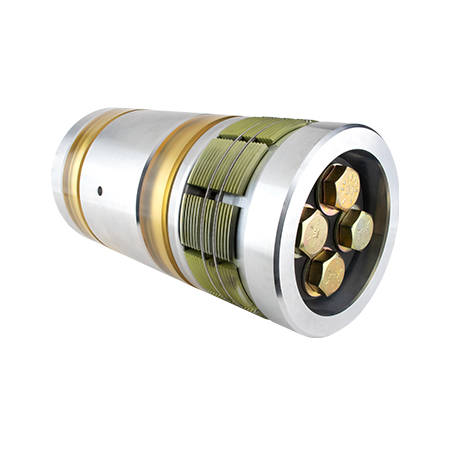
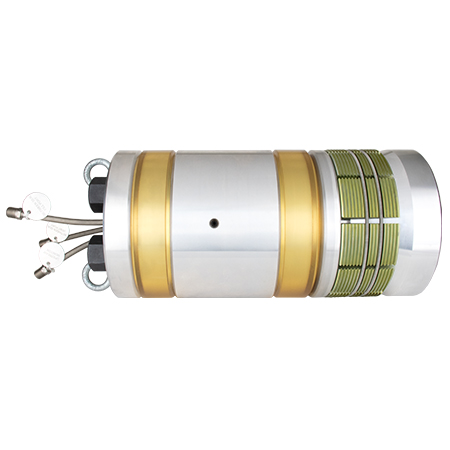
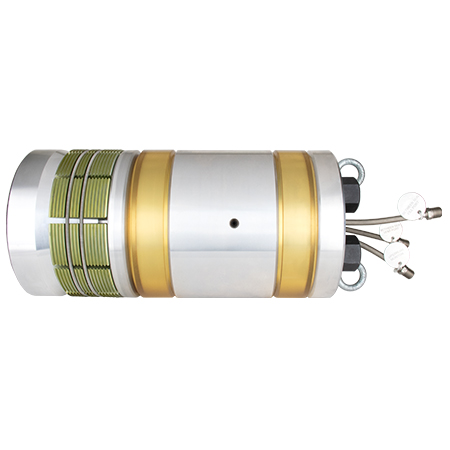
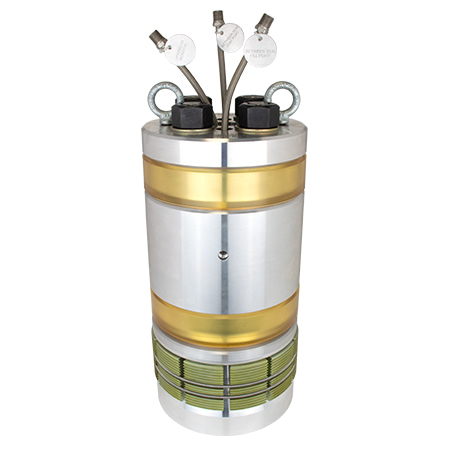
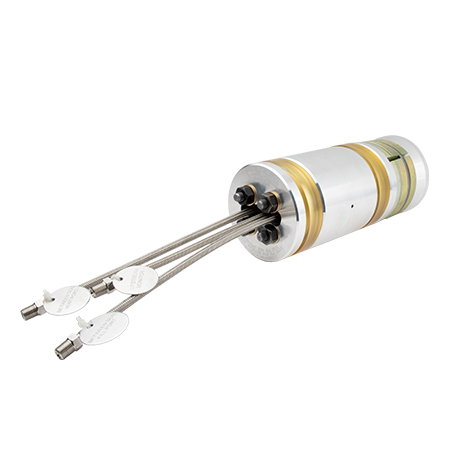
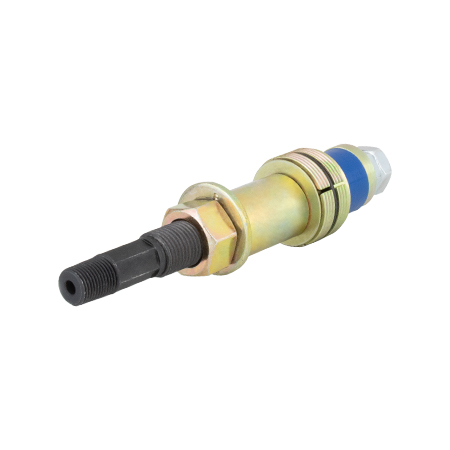
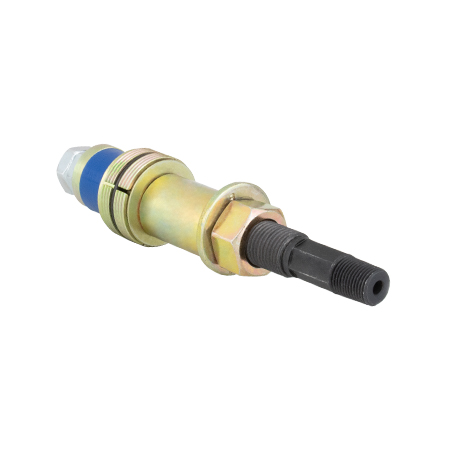
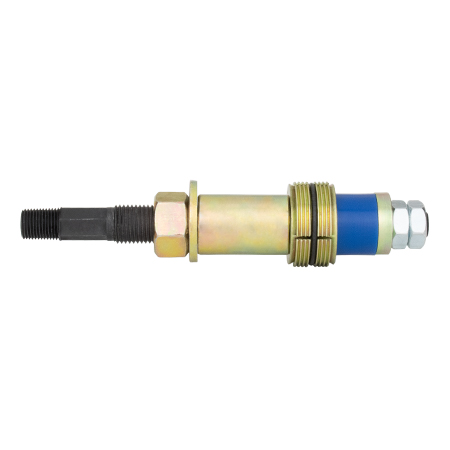
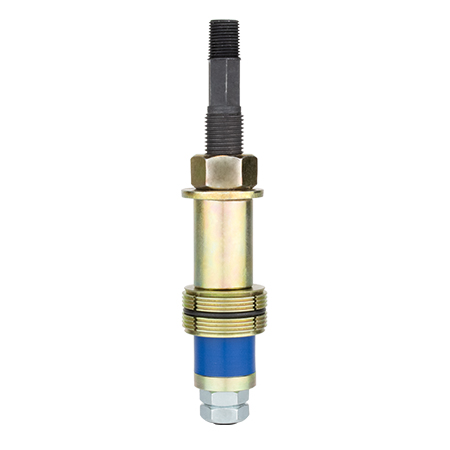
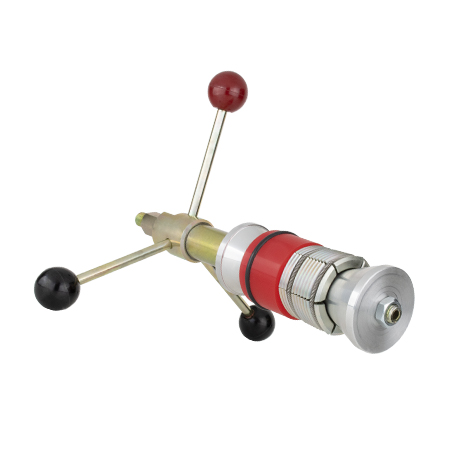
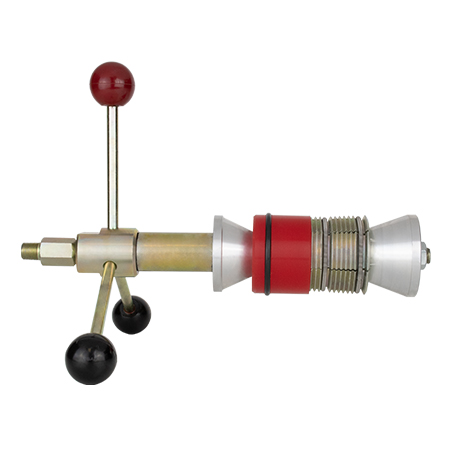
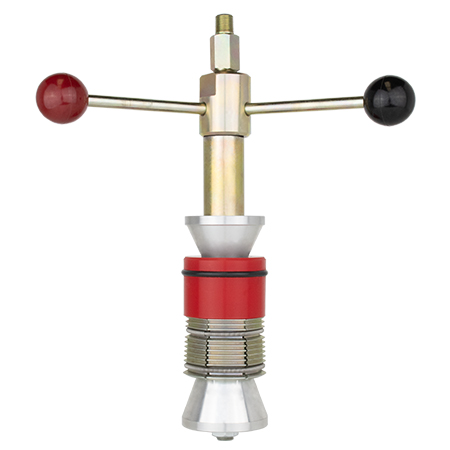
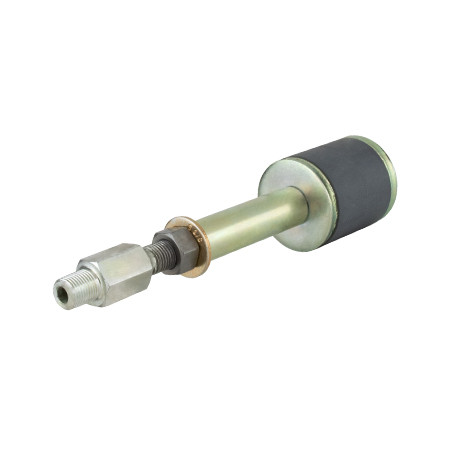
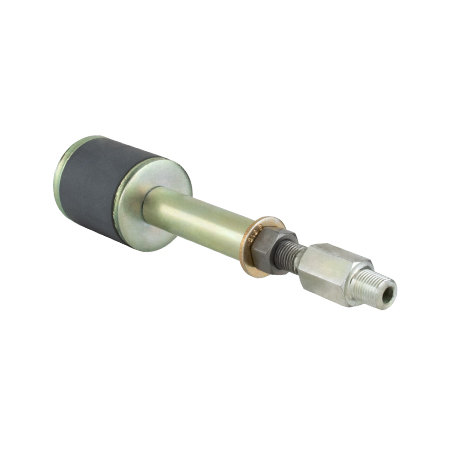
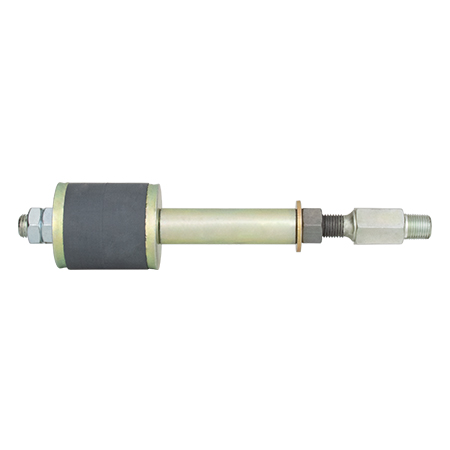
GripTight® Test Plug Lifting Arm

Submitted by Shilpa on July 22, 2025

GripTight® Test Plug Lifting Arm


Quickly and Safely Install Large Test Plugs

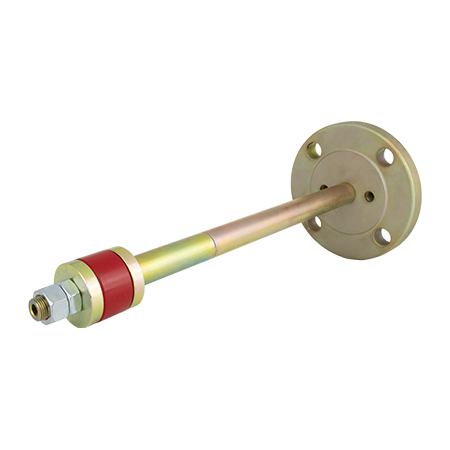
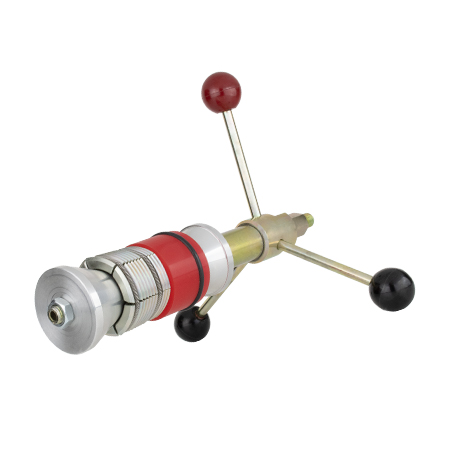
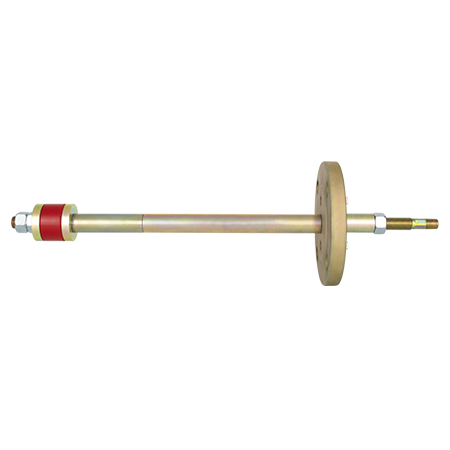
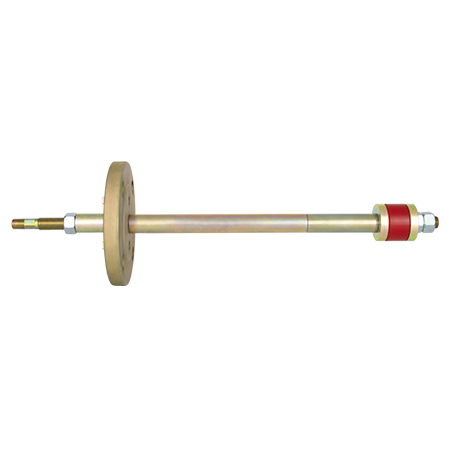
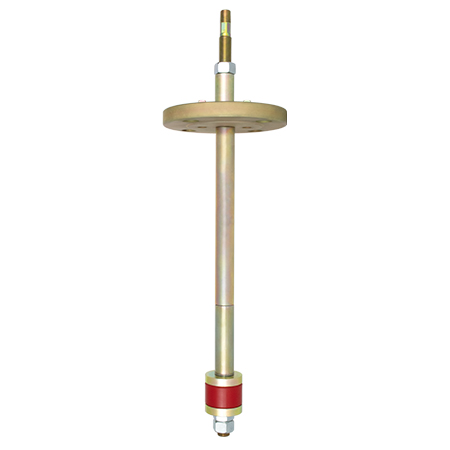
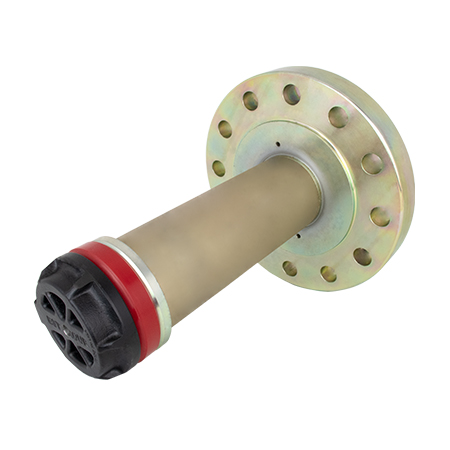
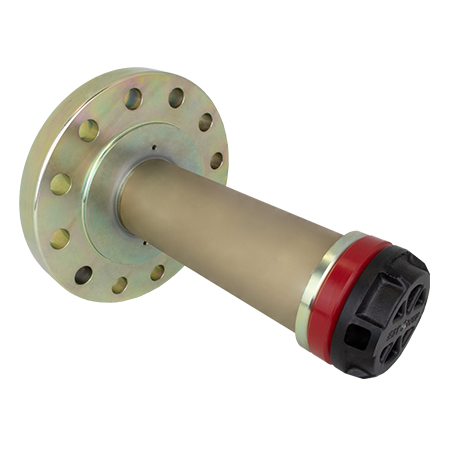
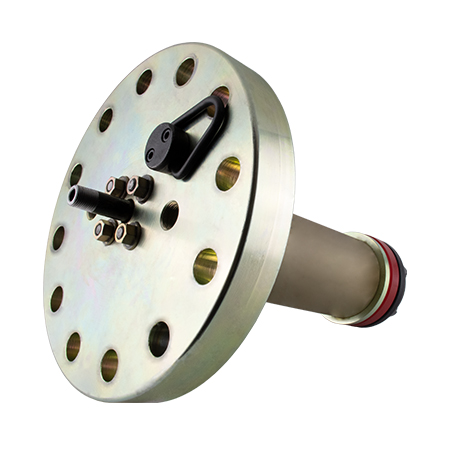
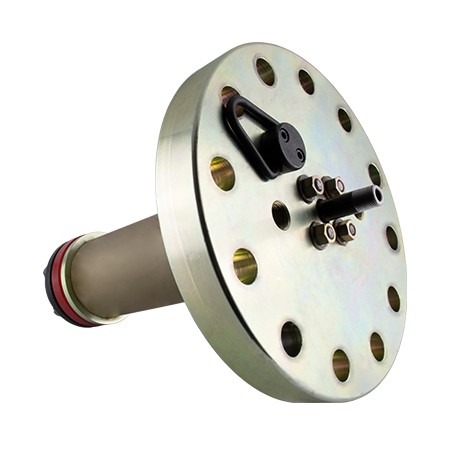
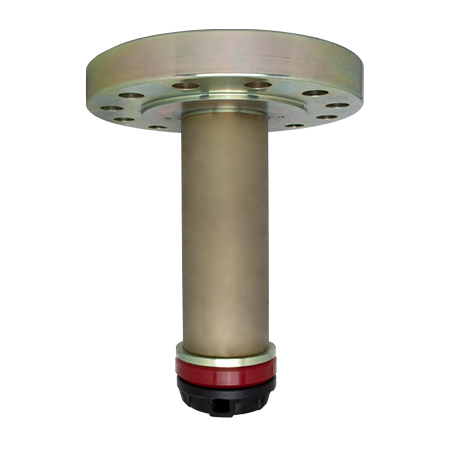
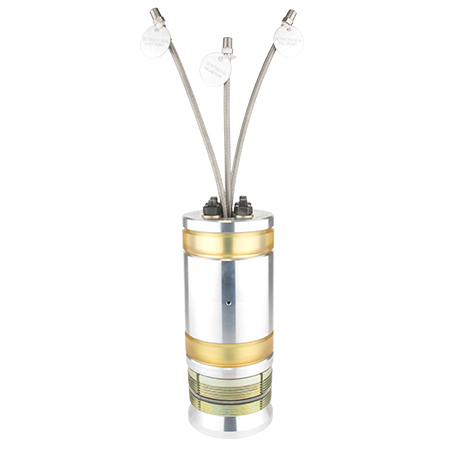
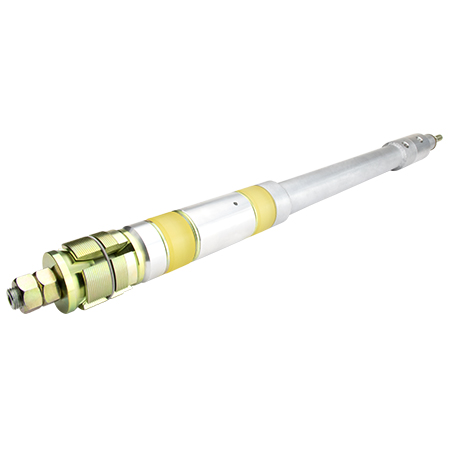
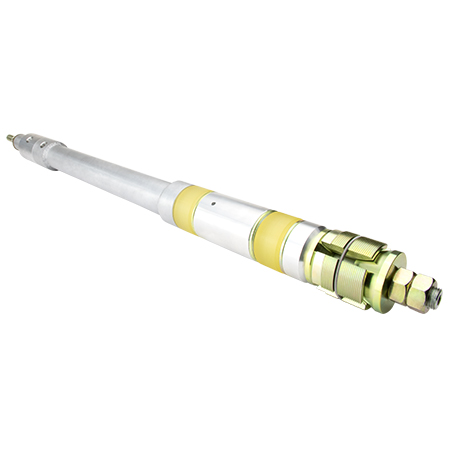
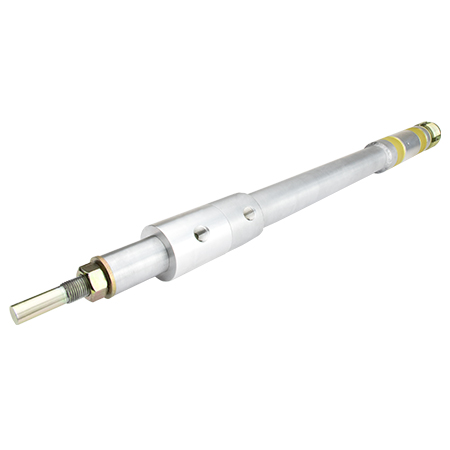
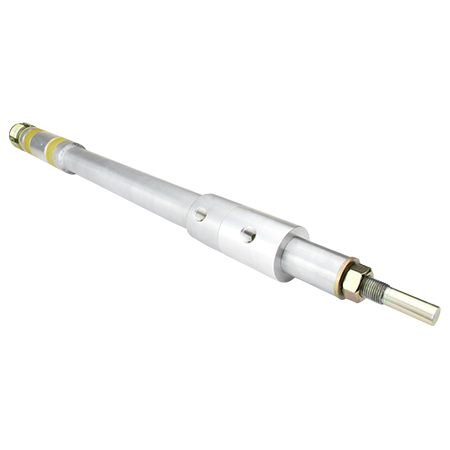
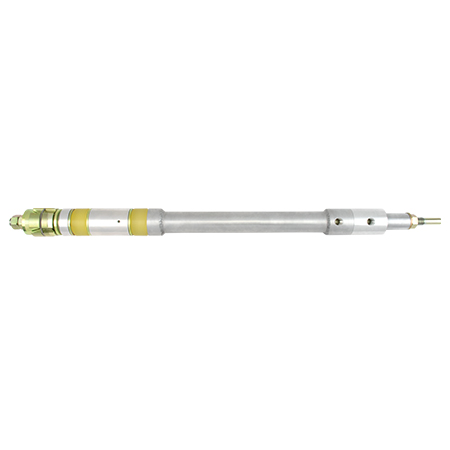
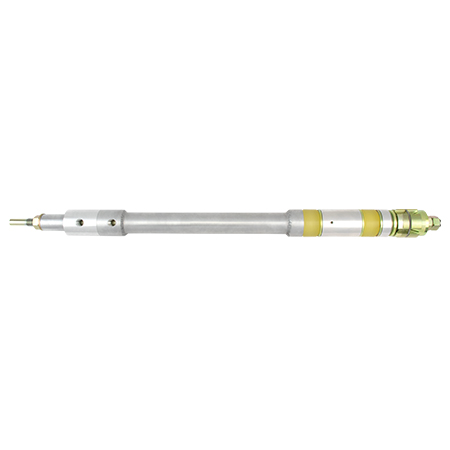
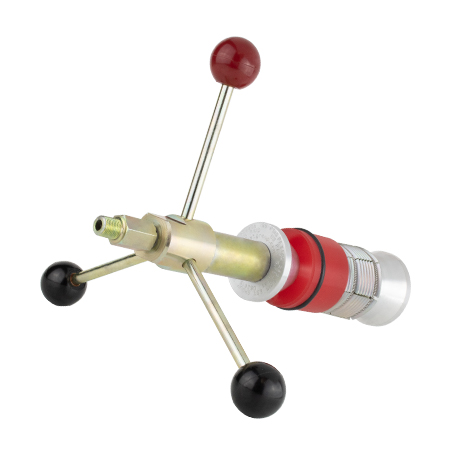
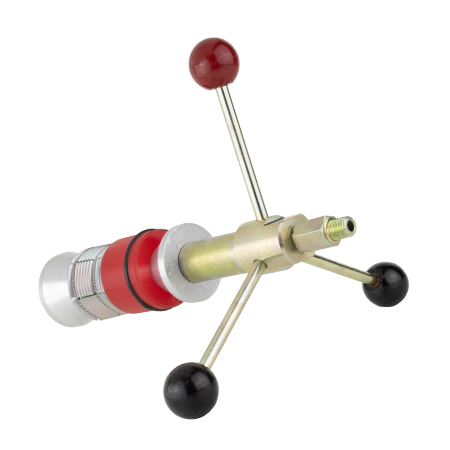
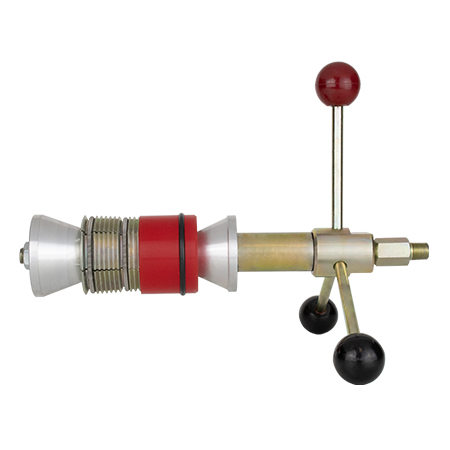
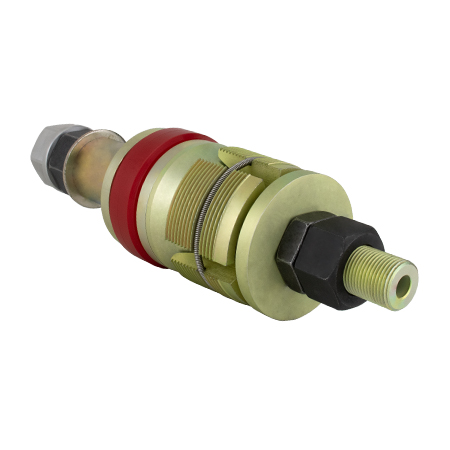
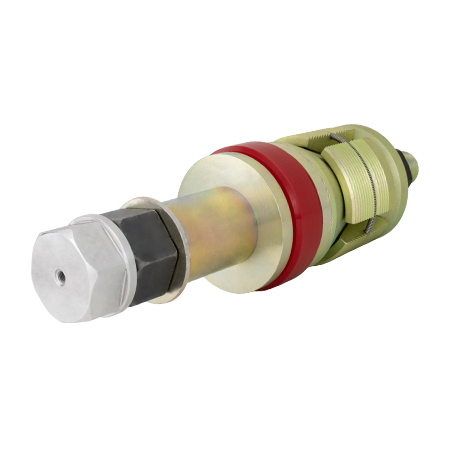
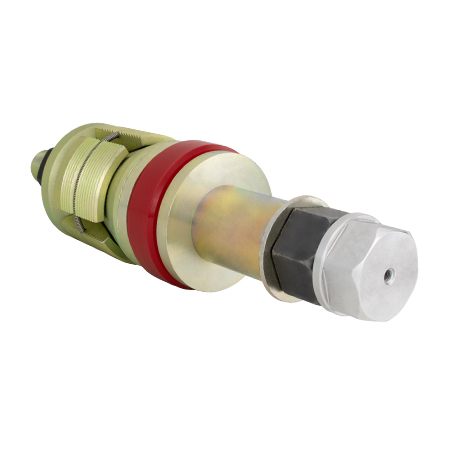
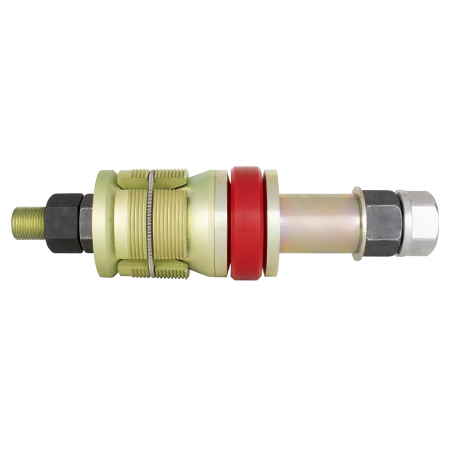
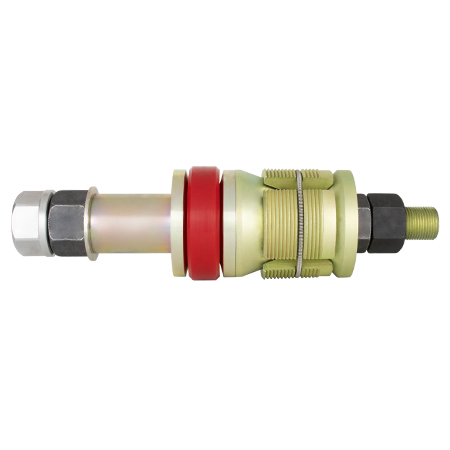
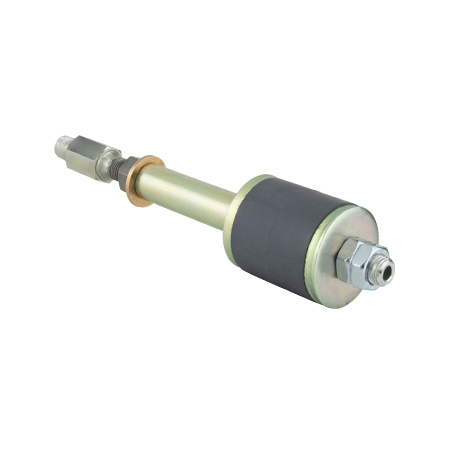
Designed to work with larger test plugs to provide safe and easy placement and installation into pipes. EST Group’s GripTight® Test Plug Lifting Arm fastens to the test plug and can be lifted into place with a crane, fork-lift or other lifting mechanism designed to hold the weight of the plug and lifting tool.

  • Lifting Capacity up to 6,500 lbs (2,948.4 kg)
  • ​Can be used on test plugs from 10” thru 48”
  • Designed to be used for installation & removal of test plugs
  • Improves safety and installation time


Product Images

CAPTCHA
This question is for testing whether or not you are a human visitor and to prevent automated spam submissions.

High Lift Flange Weld Test Plug

Submitted by Shilpa on July 22, 2025

High Lift Flange Weld Test Plug


Purge, Weld, and Test Flange Connections with One Plug

Reduce the expense, downtime delays, and waste disposal problems associated with conventional flange-to-pipe weld testing with EST Group’s High Lift Flange/Weld Test Plug.

High Lift Flange Weld Test Plugs allow you to monitor upstream conditions, isolate and purge the weld area, perform the weld, and hydro test weld joint to ANSI B16.5 requirements using only one tool. No blind flanging upstream, no vacuum truck for evacuating the line, and no X-raying. Each flange test requires a minimum amount of water, eliminating the need to fill the entire line. Use less water and minimize your environmental impact!

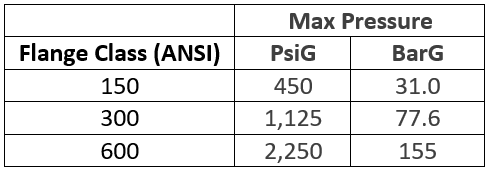
Test Pressure:

Size Range:
3/4" – 24” NPS (DN20 to DN600)
Flange classes 150# to 600#
Higher flange classes available upon request

Standard Seal Material: Urethane – alternative materials available upon request

Features & Benefits

  • Improved seal-to-pipe Clearance: plug can be easily installed and removed even where there is severe weld protrusion
  • Flange-to-pipe welds are tested without pressurizing the entire system
  • Ported center shaft allows for upstream monitoring

A flange hydro test plug allows you to monitor upstream conditions, isolate and purge the weld area, and perform the weld with only one tool.

Product Images

CAPTCHA
This question is for testing whether or not you are a human visitor and to prevent automated spam submissions.

Portable Hydrostatic Test Pumps for Hydraulic Pressure Testing

Submitted by Shilpa on July 22, 2025

Portable Hydrostatic Test Pumps for Hydraulic Pressure Testing


Fast, safe and simple pressure testing equipment

HYDROSTATIC TESTING PUMP PRODUCT DESCRIPTION

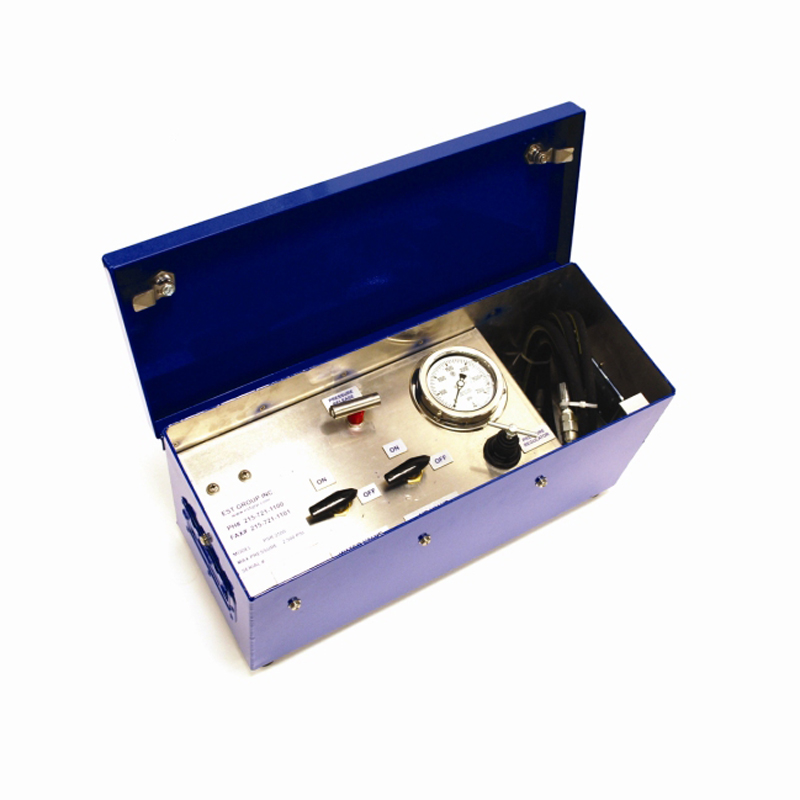
EST Hydrostatic Test Pumps offer a fast, safe and simple method for hydrostatic testing. These pumps are ideally suited for use with all EST test plugs or on a stand-alone basis. Choose from two models of hydrostatic test equipment and a number of pressure ranges.

  • Fast - Portable, Easy Set Up and Operation
  • Safe - Output Pressure Regulated
  • Simple - Attach Air and Water Supply, Begin Testing


At Curtiss Wright, you’ll find a variety of different products, for pressure testing equipment chosen from our two models of hydrostatic test equipment and several pressure ranges. Browse our other industry lead products such as speciality tools, POP-A-PLUG ® Tube Plugging Systems, and isolation plugs.

These tools and systems are used in all industry segments. To find any further information on any product or service, read the related documents including product guides, instruction sheets, and animations and videos.

TYPES OF HYDROSTATIC TESTING PUMPS

P Series Hand Pump

The P Series Hand Pump is suitable for all hydrostatic testing applications such as pressure testing fluid pipework systems. Self-contained, portable hand pump with 5-gallon reservoir for testing tubes, pipes, and pressure vessels when air is not available.

  • Output Pressure: Up to 3000 PsiG (207 BarG)
  • Internal Liquid Capacity: 5 Gallons (19 Litres)
  • Includes: high pressure bleed valve, hose with swivel fitting


P Series Pump

A P Series Pump is suitable for all hydrostatic testing applications such as leak testing in water pipe systems. Portable pump for testing tubes, pipes, and pressure vessels in the field or shop. Self-contained, lockable aluminium toolbox.

  • Output Pressure: 2500 and 10000 PsiG (172 /689 BarG) models available
  • Includes: 4” (100 mm) pressure gauge, high pressure hose, and quick couplings for air and water inlet connections.


Blue Max 3

The Blue Max 3 is a portable air driven pump, suitable for all hydrostatic testing applications. The enclosed cabinet provides safe & quiet operation, protects components from damage and the cabinet is on wheels for easy operation.

  • Output Pressure: 1000, 3600, and 10000 PsiG (69, 248, 689 BarG) models available
  • Includes: 4” (100 mm) pressure gauge, mating quick connect couplings for air inlet, water inlet and high pressure outlet connections
 

FAQS

What is a piping hydrostatic pressure test?

A hydrostatic pressure test or hydraulic pressure test may be carried out on pressure vessels such as industrial pipelines, plumbing, and gas cylinders.

The vessels are tested for strength and to check for any leaks. Leaks are detected by filling the vessel or pipe with liquid and applying the specified test pressure, this will allow for leak detection. If the water is dyed with a colourant it is easier to detect.

Carrying out regular pressure tests will help maintain safety, durability and prevent further damage.

How do you perform a hydraulic pressure test?

A hydraulic pressure test involves filling the vessel or pipe system with a liquid, usually water, which may be dyed so it can aid in visual leak detection. The vessel is then pressurized to the specified test pressure to validate a pipework system’s integrity. The testing is simple and quick to complete and usually carried out after any installation or modification works like pipework cleaning, water balancing, or chlorination. Pressure tightness can be tested by shutting off the supply valve and observing whether there is a pressure loss.

Why is hydro test pressure 1.5 times?

A hydraulic test is done with 1.5 times the amount of pressure to ensure safety. Pressure testing over the design pressure ensures that the system will be structurally sound when run at the design pressure. If your design pressure is 1500 psi, and you run it at 1500 pso, you do not want it to be on the verge of failure. Testing at 1600 or 2000 ensures that there are no leaks or issues when it is put into service.

Product Images

CAPTCHA
This question is for testing whether or not you are a human visitor and to prevent automated spam submissions.

Double Block and Bleed Isolation/Test Plug

Submitted by Shilpa on July 21, 2025

Double Block and Bleed Isolation/Test Plug


Safe and Effective Pipeline Pressure Testing

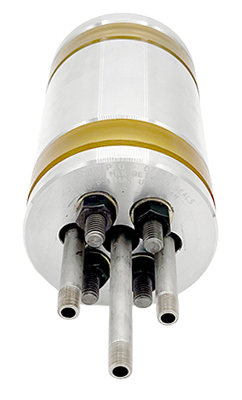
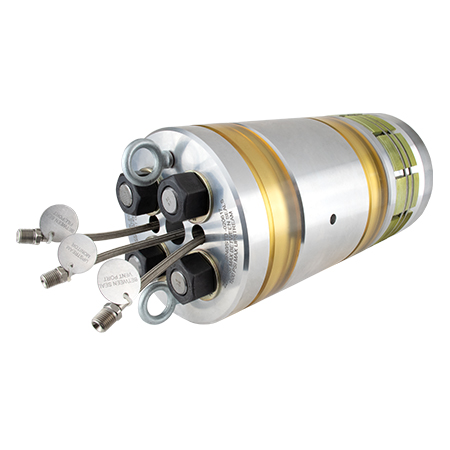
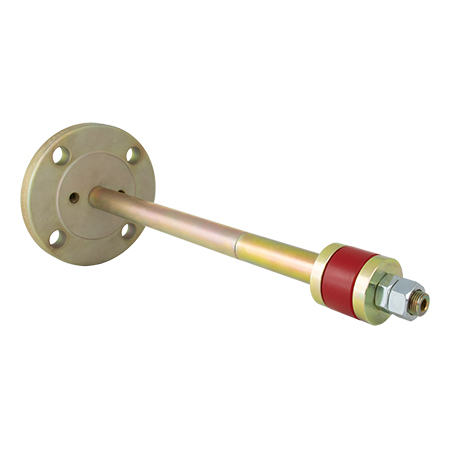
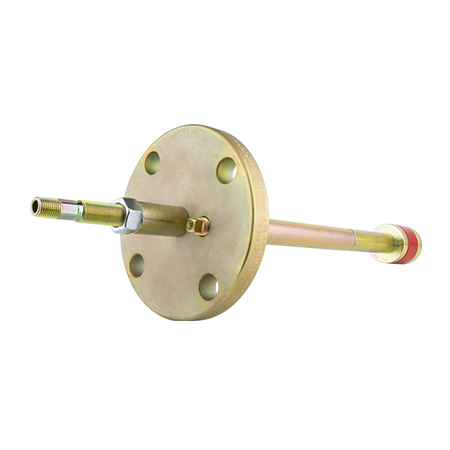
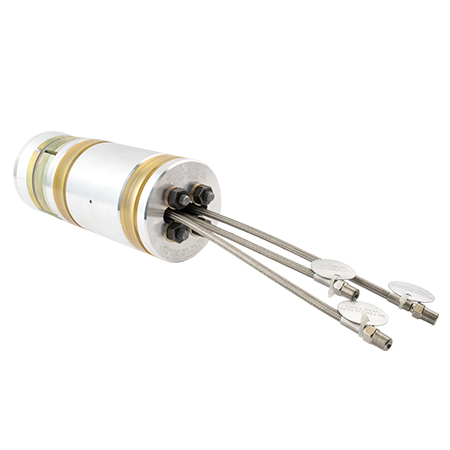
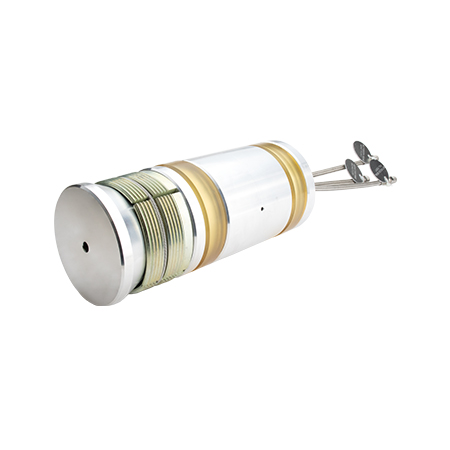
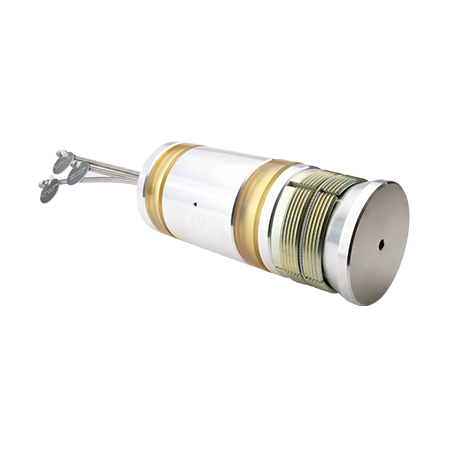
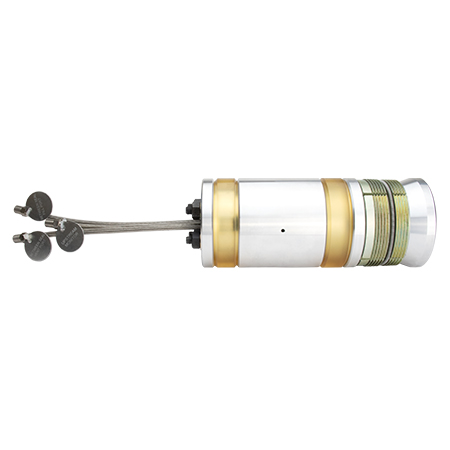
Positively isolate and monitor potentially explosive vapors during hot work, then effectively hydrotest the new weld connection with EST Group’s Double Block and Bleed Isolation Plug. The dual-port design creates a positive pressure barrier between the seals - safely isolating hot work from any residual upstream gases. In addition, the volume of water required for a test is so small that testing can be accomplished using a hand pump.

Lightweight aluminum/steel construction makes our pipe isolation plug easy to maneuver, often allowing operators to forego the use of lifting devices or cranes, which can be in high demand during turnarounds.

Our 8” schedule 80 Double Block and Bleed Isolation Plug weighs in at just 36lbs (16.3kg) compared to other plugs weighing in excess of 100lbs (45.4kg) of the same size!

Test Pressure

  • 2250 PsiG (155 BarG)
  • Upstream pressure rated to 10 PsiG (0.7 BarG) - higher pressures available upon request


Size Range

  • 3/4” to 48” NPS (DN20 to DN1200) - larger sizes available upon request


Standard Seal Material

  • Urethane
  • Alternate materials available


Features & Benefits

  • Lightweight, aluminum and steel construction
  • Monitor potentially explosive vapors during hot work
  • The dual-port system allows water to be circulated between seals, providing improved cooling during pre/post-weld procedures
  • Uses less than a gallon (3.8L) of test media – cutting down on fill times and reducing waste/treatment expenses.
  • ASME PCC-2 Type IV Testing Device*
  • Test pressures to 2250 PsiG (155 BarG) between the seals
  • Available for NPS ranging from 3/4” to 24” (DN20 - DN600)
  • Pressure tests performed with less than a gallon of water


Double Block & Bleed Applications

Block & Bleed plugs are found in numerous applications, including:

  • Oil, Gas and Chemical Process Plants
  • Offshore Oil & Gas Platforms
  • Shipyards
  • Plant revamps and additions
  • Piping Systems, Spools, Pressure Vessels with Flanged Connections
  • Flange Replacement Programs
  • Tie-In Work


Basic Operation

  • After determining pipe and schedule size, install DBB upstream of “hot work” area
  • Expand seals by tightening compression nuts
  • Inject inert gas or water between seals (isolation zone) and pressurize
  • Monitor isolation zone pressure during “hot work”
  • After weld cools, release pressure and seal, reposition the plug’s isolation zone over the weld area
  • Pressurize isolation zone


Performing a Pressure Test

Perform the steps outlined below when conducting a pressure test on ¾” to 3” Double Block and Bleed Isolation Plugs:

  • Step 1: Attach hoses to the pressure and upstream monitor connections plug. (¼ NPT ports)
  • Step 2: Place plug, so both seals are inside the pipe you are testing.
  • Step 3: Remove residual air between the seals, if necessary.
  • Step 4: Hand tighten the hex nut until the test plugs grip the pipe ID. Slight wiggling of the plug may allow for further hand tightening of the hex nut.
  • Step 5: Using a calibrated torque wrench, tighten the hex nut to the normal installation torque.
  • Step 6: Slowly introduce the test pressure. (If performing a pressure drop test, hold the desired pressure with the pump for a minimum of 5 minutes to allow parts to settle prior to closing the isolation valve).
  • Step 7: After isolation or testing application is complete, release all pressure from the pipe.
  • Step 8: Loosen the hex nut until the top of the nut is at the top of the threads.
  • Step 9: Remove the plug from the tube end.
  • Step 10: Inspect the plug for wear and replace any worn components.

Curtiss Wright EST’s Double Block & Bleed Isolation Plug will enable you to positively isolate and monitor potentially explosive vapors during “hot work”.

In need of a high-pressure isolation plug? Check out our GripTight Isolation Plug


*ASME PCC-2 (Article 503) - “Test Devices for Localized Pressure or Tightness Testing of Welded Repairs

FAQS

Why perform a pressure test?

Conventional flange-to-pipe weld testing can create dangerous conditions for workers and carry high costs, including downtime, delays, and wastewater disposal issues. The GripTight Isolation Test Plug integrates a Double Block and Bleed plug with our GripTight gripper technology, ensuring operational safety and minimizing the risk of blowout/expulsion due to unexpected upstream pressure in the line.

What is the temperature rating of the Urethane Seals, and will the close proximity to the heat transfer area compromise the seals during the welding process?

The temperature rating for the Urethane seals is 180°F (82°C). When the plug is installed 12” (305 mm) from the weld, the distance between the weld and the Double Block and Bleed Isolation Plug allows the heat to dissipate and decrease to a temperature that is within the rating of the seals.

Will the Double Block and Bleed Isolation Plug accommodate slight weld intrusion?

The Double Block and Bleed Isolation Plug is designed with increased clearance (up to 3/8” on larger size plugs) to allow the plug to be positioned over the weld for testing even when slight weld intrusion is present on the Inner Diameter of the pipe.

What is the average amount of time required to install a Double Block and Bleed Isolation Plug and achieve a pressure test?

After the weld area has cooled to an appropriate temperature, the Double Block and Bleed Isolation Plug can be used to complete pressure tests in as little as 10 minutes from insertion to removal.

What is pipe isolation?

A pipeline can be isolated by the use of an isolating joint. Our GripTight Isolation Plug has the technology to ensure a safe working environment, downline monitoring, and safe ventilation while saving time, cost and resources.

What upkeep and storage conditions are required to preserve the quality and performance of the Double Block and Bleed Isolation Plug?

The Double Block and Bleed Isolation Plug require periodic inspection of the O-Rings and Seals prior to testing. The compression shafts should be inspected, and anti-seize should be applied as needed. After a test has been completed, the compression nuts should be retracted so the seals can fully relax, allowing the Urethane Seals to return to their original size, preventing any permanent swelling and/or deformation.


Curtiss Wright EST’s Double Block & Bleed Isolation Plug will enable you to positively isolate and monitor potentially explosive vapors during “hot work”.

Product Images

CAPTCHA
This question is for testing whether or not you are a human visitor and to prevent automated spam submissions.

GripTight® Pipe Isolation Plug

Submitted by Shilpa on July 21, 2025

GripTight® Pipe Isolation Plug


Isolate, Monitor Upstream Pressure, and Test Flange Weld Connections with One Simple to Use Tool

Put an end to the time-consuming conventional practice of filling and draining entire lines to test flange-to-pipe weld connections! EST Group’s GripTight® Isolation Plug allows you to isolate and monitor potentially explosive vapors during hot work, then hydro-test new weld connections.

Integrating the functionality of a conventional Double Block and Bleed Plug with our GripTight gripper technology, GripTight Isolation Plugs provide increased operational safety by minimizing the risk of accidental blowouts/expulsions unexpected upstream pressure.

Its dual-port design creates a positive pressure barrier between the seals - safely isolating hot work from any residual upstream gases. Perform flange weld testing with an Isolation Plug that protects both equipment and personnel!

PIPE ISOLATION TEST PRESSURE

  • 2250 PsiG (155 BarG) between the seals
  • Upstream pressures up to 1500 PsiG (103 BarG) - higher pressures available upon request


If the upstream pressure increases, then the GripTight Grippers actually use the pressure to increase their grip on the pipe. The greater the pressure, the greater the grip!

Size Range 3/4” to 48” NPS (DN20 to DN1200) - larger sizes available upon request

Standard Seal Material Urethane - alternative materials available upon request

PIPE ISOLATION TEST PRESSURE

  • Monitor potentially explosive vapors during hot work
  • Dual port system allows water/media to be circulated between seals, providing improved cooling during weld procedures
  • Gripper technology minimizes risk of accidental blowout/expulsion
  • Creates a positive pressure barrier between seals
  • Lightweight, aluminum and steel construction
  • Perform flange weld testing with less than a gallon (3.8L) of water - reducing fill times, and waste/treatment expenses
  • ASME PCC-2 Type IV Testing Device*

In need of a lower pressure isolation plug? Check out our Double Block and Bleed Test / Isolation Plug

*ASME PCC-2 (Article 503) - “Test Devices for Localized Pressure or Tightness Testing of Welded Repairs


PIPE Isolation plug - stats & features

GripTight Isolation Plug can isolate and monitor potentially explosive vapors during hot work and hydro-test new weld connections with one easy-to-operate tool. Its dual-port design creates a positive pressure barrier between the seals - safely isolating hot work from any residual upstream gases.

The GripTight Isolation Test Plug integrates a Double Block and Bleed plug with our GripTight gripper technology, ensuring operational safety and minimizing the risk of blowout/expulsion due to unexpected upstream pressure in the line.

APPLICATIONS & INDUSTRIES

  • Oil, Gas and Chemical Process Plants
  • Offshore Oil & Gas Platforms
  • Shipyards
  • Plant revamps and additions
  • Piping Systems, Spools, Pressure
  • Vessels with Flanged Connections
  • Flange Replacement Programs
  • Tie-In Work


PLUG DISASSEMBLE

To disassemble the plug and service the Seals, plug assembly and component parts of the plug must be removed in the following order:

      1. Hex Nut
      2. Hardened Washer
      3. Front Support
      4. Front Seal
      5. Center Spacer
      6. Rear Seal


FAQS

What is the standard seal material?

The standard seal material is Urethane. Alternative material including Neoprene, Fluoroelastomer, Silicone, EPDM, Natural Rubber, Nitrile Buna-N, and SBR Buna-S is available upon request.

How does the pipe isolation plug not overheat?

Dual-port systems can circulate water (or other media) between seals, providing increased cooling capabilities during pre/post-weld procedures.

What is the average time required to install a GripTight Isolation Plug and achieve a pressure test?

After the temperature of the weld area has decreased below 180°F (82°C), the Griptight Isolation Plug can be used to complete pressure tests in as little as 10 minutes from insertion to removal.

Does the pipe need to be in a specific condition before the GripTight Pipe Isolation Plug can be installed?

Yes. The GripTight Isolation Plug is designed for use in a seamless and welded pipe. In seam welded pipe or where corrosion, pitting, or scale is present, the pipe ID may require some preparation before plug installation and use.

What is pipe isolation?

A pipeline can be isolated by the use of an isolating joint. Our GripTight Isolation Plug has the technology to ensure a safe working environment, downline monitoring, and safe ventilation while saving time, cost and resources.

Will the GripTight Pipe Isolation Plug accommodate slight weld intrusion?

Yes. The plug is designed with increased clearance (up to 3/8” on larger size plugs) to allow the plug to be positioned over the weld for testing even when slight weld intrusion is present on the Inner Diameter of the pipe.

What is the average time required to install a GripTight Pipe Isolation Plug and achieve a pressure test?

After the temperature of the weld area has decreased below 180°F (82°C), the Griptight Isolation Plug can be used to complete pressure tests in as little as 10 minutes from insertion to removal.

What upkeep and storage conditions are required to preserve the quality and performance of the GripTight Pipe Isolation Plug?

The GripTight Isolation Plug requires periodic inspection of the O-Rings and Seals before testing. The compression shafts should be inspected, and anti-seize should be applied as needed. After a test has been completed, the compression nuts should be retracted so the seals can fully relax, allowing the Urethane Seals to return to their original size, preventing any permanent swelling and/or deformation.

Product Images

CAPTCHA
This question is for testing whether or not you are a human visitor and to prevent automated spam submissions.

Socket Weld SQS Test Plug

Submitted by Shilpa on July 21, 2025

Socket Weld SQS Test Plug


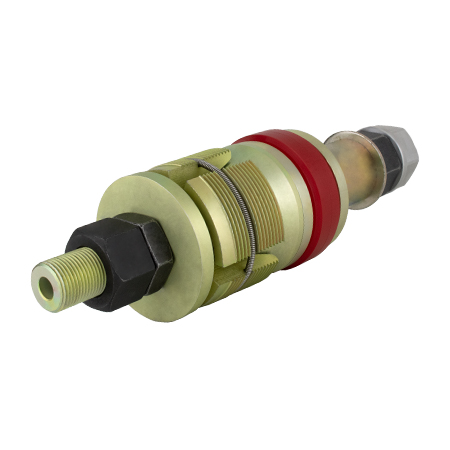
SQS test plugs are designed to facilitate testing socket weld fittings and couplings. During installation, the grippers expand within the socket holding the plug in position while the seal element expands and seals off the bore of the fitting. Designed for ASTM A105 3000 LB carbon steel socket weld fittings.

Test Pressure
5000 PsiG (345 BarG)

Size Range
1/2” to 2” NPS (DN15 to DN50) - Larger sizes available upon request

Standard Seal Material
Urethane

Additional Seal Materials
Neoprene, Fluoroelastomer, Silicone, EPDM, Natural Rubber, Nitrile Buna-N, SBR Buna-S

Features

  • Unique “Twin Cone” design provides uniform gripper expansion that ensures 100% contact between the test plug and the socket weld fitting
  • Long wearing urethane seals provide easy plug installation and removal
  • Replacement grippers and seals available, allowing you to use the SQS hydrostatic test plug multiple times
Product Images

CAPTCHA
This question is for testing whether or not you are a human visitor and to prevent automated spam submissions.

GripTight® PE Test Plug

Submitted by Shilpa on July 21, 2025

GripTight® PE Test Plug


Pressure Test Polyethylene Pipe In Minutes, Not Hours!

  • 2", 3", 4", 6", and 8" Pipe Sizes (DN50 - DN200)
  • Plug Sizes to Cover 9 to 17 SDR Applications in Either HDPE or MDPE Pipe - Other Sizes Available
  • Patented Dual Seal Design
  • Conservatively Rated to 150% of Maximum Operating Pressure Required Under 49 CFR 192.513


No more having to square and round pipe ends to fuse on end caps. Just slip the GripTight® PE plugs in the open ends of a section of pipe, tighten and begin testing. Testing can be performed on installed pipe or while its still on the spool.

The Pipe End Plug uses the line test pressure to their advantage. The greater your test pressure the greater they grip and seal against the pipe. GripTight PE plugs provide a safe, secure, leak-proof seal.

Use the GripTight PE test plug as a nightcap to keep open pipe ends clean and sealed overnight or during work intervals. They can also be used to maintain positive pressure on installed pipe sections.

In recent trials at a major Gas Utility in the Eastern US, GripTight PE Test Plugs saved an average of 2 man-hours per test. Compared to fusing end caps and / or mechanical OD couplings, the GripTight PE plugs offer the fastest and safest solution when testing PE pipe.

The bottom line is this: GripTight PE test plugs speed set-up and testing while reducing downtime and crew costs. The result: You install pipe faster and that makes a difference on your bottom line.

Features & Benefits

  • Applications: Designed specifically for testing PE pipes in gas, water, wastewater and conduit service.
  • Sizes Available to Fit: 2" through 8" IPS pipe sizes in 9-17 SDR medium density or high density polyethylene pipe. Other sizes available - Contact factory.
  • Fast: Easily installed by hand; no special tools required.
  • Adjustable configuration: Additional fittings such as isolation valves, pipe caps, and pressure gauges can be easily attached to help perform testing.
  • Ported Shaft: Allows user to fill and vent through plug.
  • Easy To Maintain: Replacement seals, o-rings, and grippers readily available and easy to replace.
  • Optional Safety Gag: An added measure of safety by providing a secondary restraint of the plug.
Product Images

CAPTCHA
This question is for testing whether or not you are a human visitor and to prevent automated spam submissions.

GripTight® Reverse Pressure Test Plug

Submitted by Shilpa on July 17, 2025

GripTight® Reverse Pressure Test Plug


Eliminate concerns over inadequate joint strength when pressure testing welded flange connections

  • The plug and test flange act independently of each other so that the weld joint is subjected to real world stresses during pressure testing
  • Flange to pipe welds are tested without needing to pressurize the entire system
  • Available for pipe sizes ranging from 2" to 12" (DN50 - DN300). Larger sizes available upon request.


Previous flange weld testing devices have been shown to apply only radial and hoop stresses to the weld location. Use of these devices for pressure testing will not adequately test or verify the longitudinal strength of the flange-to-pipe weld.
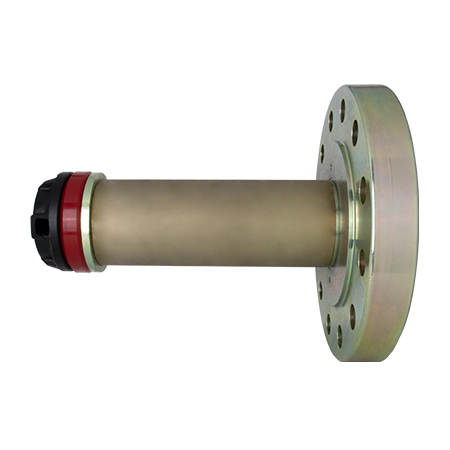
EST Group’s new GripTight Reverse Pressure (GTRP) test plugs are the solution to the growing concern over the longitudinal strength of flange-to-pipe welds. By isolating the test area between a test flange and our GTRP plug, the flange-to-pipe weld is subjected to the full radial, hoop, and longitudinal stresses - equivalent to the stresses that would be produced when using a test blind to pressurize the entire piping system. Pressure testing using EST Group’s GTRP can effectively verify the weld integrity providing the user confidence that the flange and weld will properly function when placed into service.

Pressure testing flange-to-pipe welds with EST Group’s GTRP eliminates the need to blind, fill, and pressurize the entire piping system, which in turn reduces the need to properly handle and dispose of potentially contaminated test fluids. Testing performed with the GTRP is quick, easy, and safe and meets the requirements of ASME/ANSI B16.5.

Our standard GTRP plugs allow testing to pressures up to 2,250 PsiG (155 BarG), which covers up to ANSI 600# class service. Plugs are available in sizes 2" to 12" (DN50 - DN300), additional plug sizes and higher test pressures available upon request.

Features & Benefits

  • Real World Service Conditions – Provides a solution where the weld joint is subjected to 100% of the hydrotest stress – radial, hoop and longitudinal Test simulates.
  • Sizes from 2" through 14" NPS from stock – larger or smaller sizes available.
  • High Performance – Working pressures to 2,250 psig (154 Barg) - higher pressures available
  • Safer – Uses proven GripTight – self gripping action
  • Reduce Cost – Uses a minimal amount of water per test
Product Images

CAPTCHA
This question is for testing whether or not you are a human visitor and to prevent automated spam submissions.

Economy Low Pressure Test Plug

Submitted by Shilpa on July 17, 2025

Economy Low Pressure Test Plug


For Low Pressure Testing Of Pipe and Tubing

  • Pressures to 35 psi (2.4 Bar)*
  • Sizes for 3/8" to 4" (9.5mm - 101.6mm) Pipe and Tube I.D.


EST's Economy Low Pressure Test Plugs are designed for simple, reliable testing of pipe and tubing, without the tube wall damage associated with other test plugs. That's because our Economy Plugs feature a neoprene seal - the only part of the plug that comes in contact with the tube I.D. Simply install the Economy Test Plug into the open end of a pipe or tube. Tighten the wing nut (2" to 4" sizes use a hex nut) to expand the seal. Begin pressure testing.

*Note: Maximum operating pressures have been determined by testing performed in clean, dry commercial grade carbon steel pipe. For maximum operating pressure in other applications, contact EST directly.

Economy low pressure test plug Features & Benefits

  • Heavy-Duty Construction: Corrosion resistant plated carbon steel with neoprene seal elements.
  • Versatile: Wide range of available sizes. For larger sizes or special configurations - Contact factory.
  • Long Wearing Full Disk Seals: Extend plug life.
  • Easy to Maintain: Replacement seals readily available.
  • Ordering Information: When ordering, specify pipe/tube ID, maximum test pressure, temperature and fluid medium. Specifications subject to change.
Product Images

CAPTCHA
This question is for testing whether or not you are a human visitor and to prevent automated spam submissions.

Bolt Type Medium Pressure Test Plug

Submitted by Shilpa on July 17, 2025

Bolt Type Medium Pressure Test Plug


For Simple Reliable Testing Without Tube Wall Damage

  • Pressures to 250 psi (17 Bar)
  • Sizes for 1/4" to 10 1/2" (6.4mm - 266.7mm) Pipe and Tube I.D.


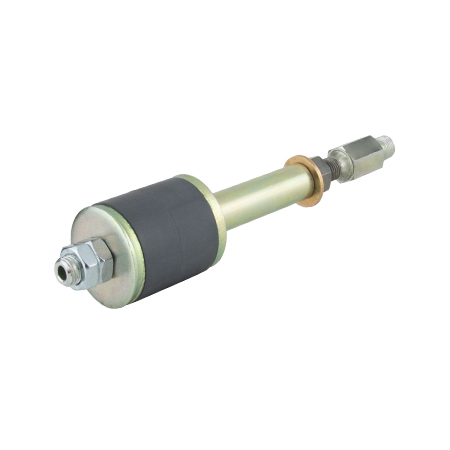
EST's Bolt Type Medium Pressure Test Plugs are designed for simple, reliable testing of pipe and tubing, without the tube wall damage associated with other test plugs. That's because our Bolt Type plugs feature a neoprene seal - the only part of the plug that comes in contact with the tube I.D. To use, simply install into the open end of the pipe or tube and tighten the large compression nut to expand the seal element. Then begin testing.


Features & Benefits

  • Heavy-Duty Construction: Corrosion resistant plated carbon steel with neoprene seal elements.
  • Versatile: Wide range of available sizes. For larger sizes or special configurations - Contact factory.
  • Brass Anti-Gall Washer and Thread Lubricant: Protects threads and facilitates test plug installation and removal.
  • Long Wearing Full Disk Seals: Extend plug life.
  • Easy to Maintain: Replacement seals readily available.
  • Optional Pipe Cap: Allows plug to be used in either a ported or solid configuration.
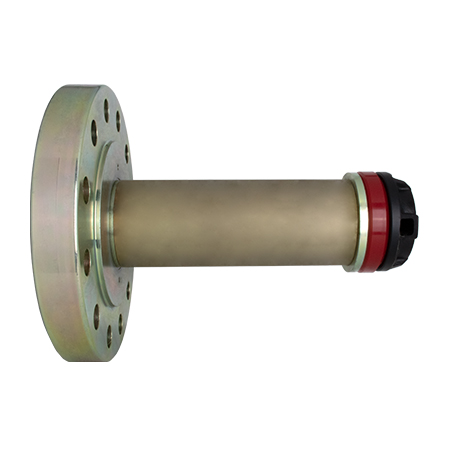
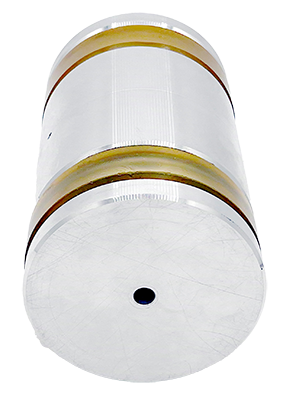
  • Optional Construction: 300 Series Stainless steel. Seals available in Silicone or Viton®.
Product Images

CAPTCHA
This question is for testing whether or not you are a human visitor and to prevent automated spam submissions.
Subscribe to
print